
OFWs are not yet heroes
Today is Labor Day in the Philippines, and I would like to write something about Overseas Filipino Workers (OFWs). Many OFWs experience loneliness, homesickness, cultural adjustment, and personal sacrifices in their daily lives. To stay employed abroad for a long time, one must learn to cope with these challenges. After all, at the end of each month, there is income to send home to the Philippines, which is often the primary goal for many OFWs.
But are OFWs truly heroes or “bagong bayani”? Should sending remittances be considered a heroic act? I personally disagree. Heroes are individuals who contribute to significant achievements that help improve people’s lives and advance the country’s development.
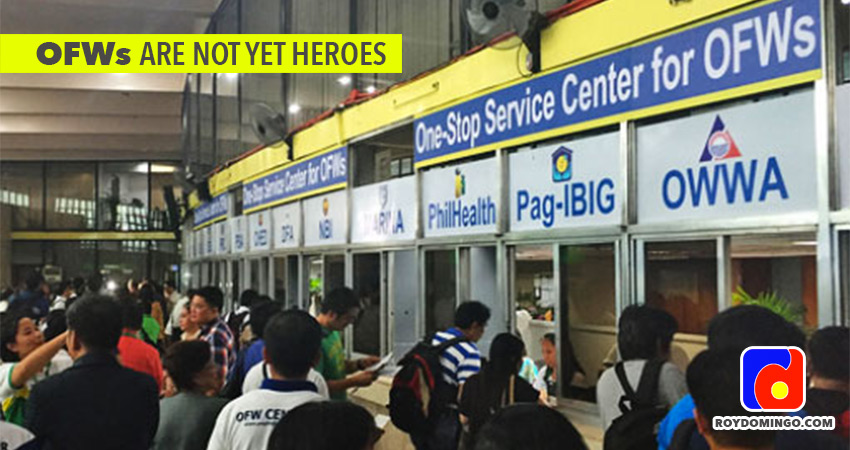
Years of sending remittances have not significantly changed the situation in the Philippines. The condition remains largely the same—many Filipinos are still living in poverty, and corruption in government continues to be a serious concern.
Overseas Filipino Workers (OFWs) may still need to recognize their collective influence—the potential impact that goes beyond historical events such as EDSA I or II. This influence could be realized if OFWs become more united in advocating for reforms. Some people propose policies such as “No Improvements, No Remittances” as a form of social pressure to encourage government accountability and reduce corruption, with the long-term goal of improving public services and the quality of life for Filipinos.
Using such collective influence responsibly may be considered by some as a form of civic contribution. However, the discussion of who is considered a hero remains subjective, and perspectives on this topic may vary.